
Will AI replace ASL interpreters?
Does Google have sign language AI?
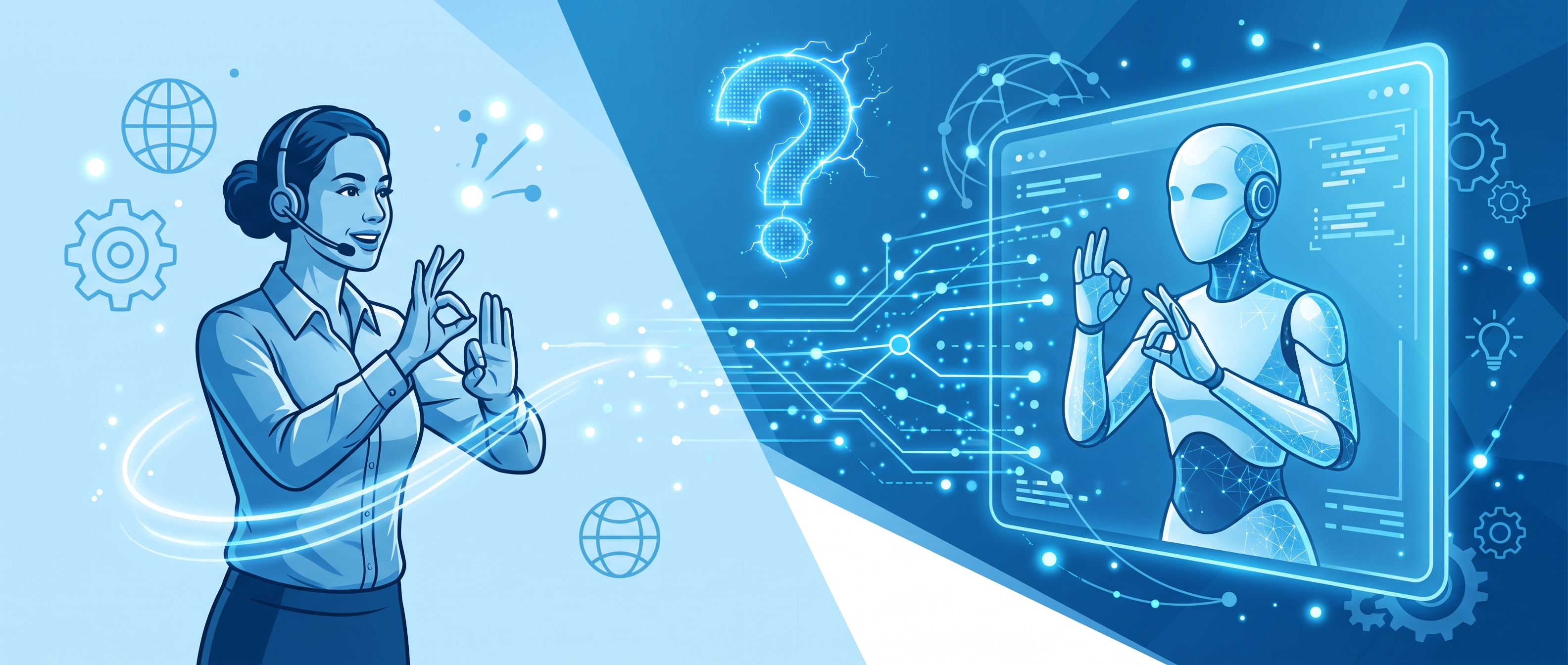
Yes. Google DeepMind announced SL2T (sign-language-to-text) on August 12, 2026, and shipped it inside Gboard and Live Transcribe on the Pixel 11 eight days later. It's the first sign language AI model to reach a consumer product at scale, trained on more than 100,000 hours of signing data spanning over 50 sign languages, though roughly a quarter of that training data is ASL specifically, which is the only language supported at launch.
The scale of the problem SL2T is aimed at is real: an estimated 70 million Deaf and hard of hearing people worldwide use one of over 200 sign languages, and sign language AI has historically lagged spoken-language AI by a wide margin.
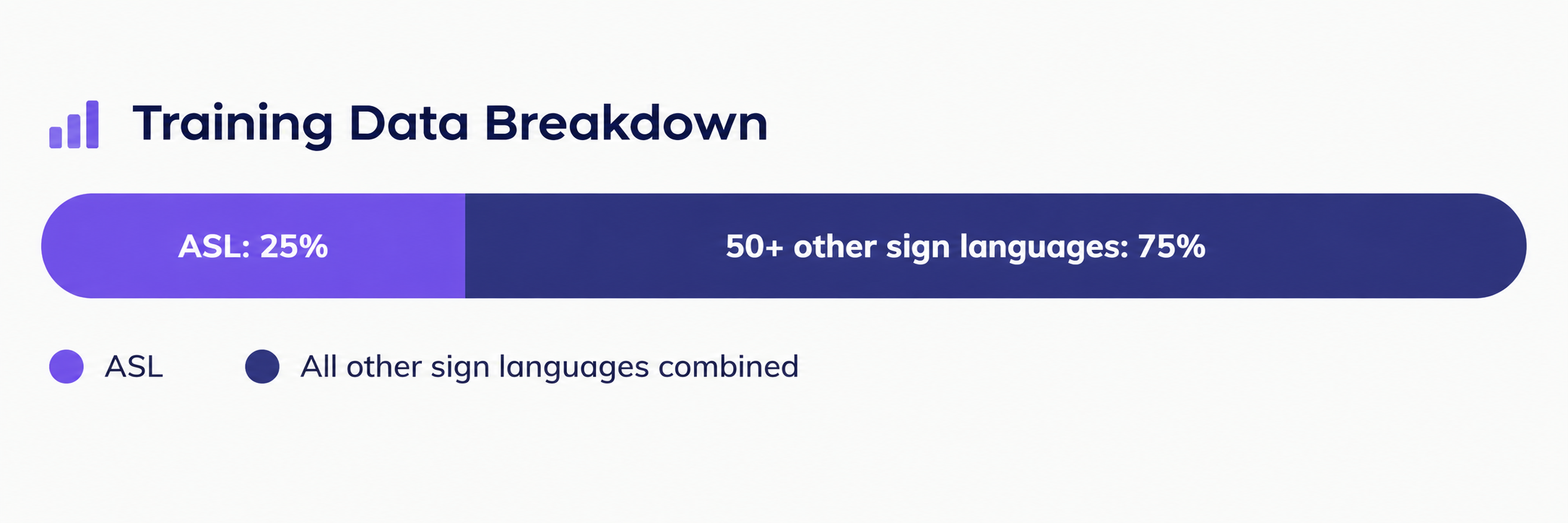
Roughly a quarter of that training data is ASL specifically, spread thin across the rest to cover more than 50 other sign languages. ASL is the only language SL2T supports at launch, which lines up with where the data is most concentrated, not a coincidence.
Where the model still gets it wrong
Google's own release notes are specific about this, not vague. The company documents known, ongoing error patterns rather than presenting the model as solved:
- Rare signs and rapid fingerspelling
- Passive grammatical constructions and classifier depictions
- Tense inference without sufficient context
- Left-handed and one-handed signing, common when the other hand holds the phone
- Residual hallucination, generating text when no one is signing at all
Google states directly that the tool should not replace qualified interpreters in high-stakes settings. That's a notable admission to include in a product launch, and it's the single most important line in the whole announcement for anyone asking whether this replaces a human interpreter.
Why sign language is a harder problem than it looks
SL2T deliberately skips an intermediate annotation step called glosses, translating pose coordinates directly into text instead. Google's own reasoning for this is worth understanding: glosses tend to miss the richer, non-linear parts of sign languages, including facial expressions and spatial constructions that carry real meaning.
That's not a minor technical footnote. Facial expression and body position carry actual grammatical information in sign languages, the same way word order or verb conjugation carries grammatical information in a spoken language, alongside whatever emotional tone they also convey. A model that under-reads the face is missing part of the sentence itself.
What Deaf advocates are actually saying
The concerns here aren't coming from human interpreters worried about their jobs. They're coming from Deaf community organizations directly. Lara Draper, general manager for adults and seniors at Deaf Aotearoa, put it plainly after attending a recent AI-and-sign-language summit:
"The use of AI in this space should be about more access and about talking to the Deaf communities about what they need on their terms, rather than outsiders who get very excited by their new hot technology." Lara Draper, Deaf Aotearoa, quoted in the New Zealand Herald
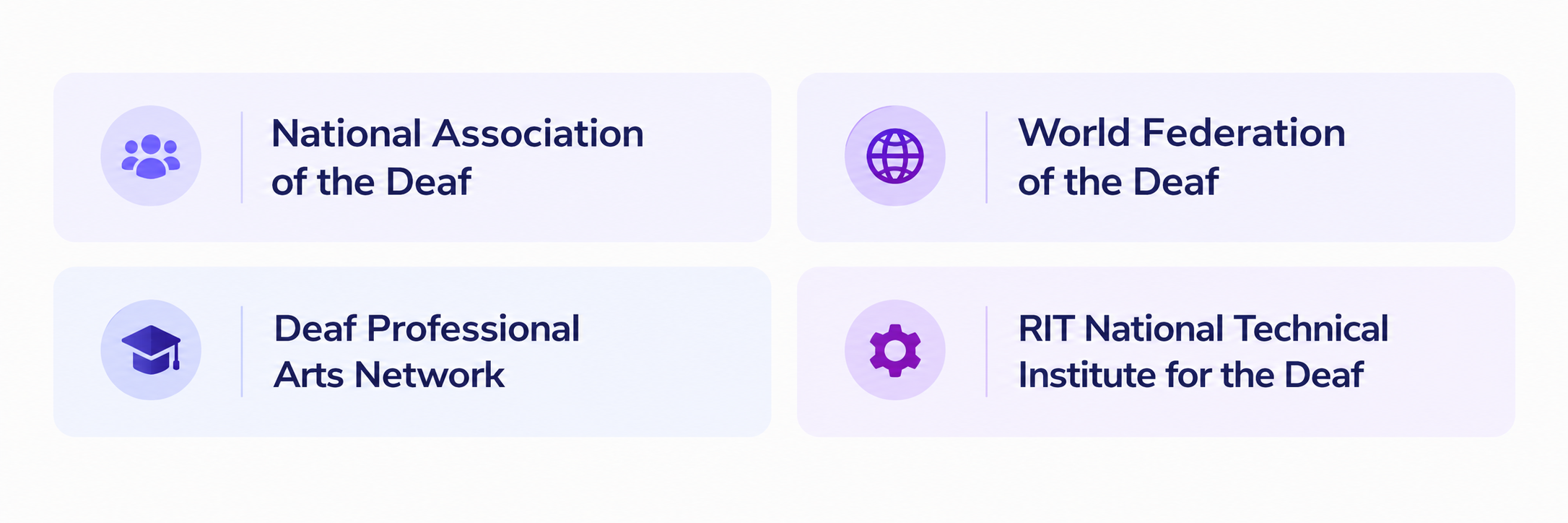
The World Federation of the Deaf and World Association of Sign Language Interpreters have separately stated, as a general position, that sign language AI should not be framed as a substitute for human interpreters.
Will AI replace sign language interpreters?
Not right now, and not according to the company that just shipped the most advanced consumer version of this technology to date. The gap isn't a matter of a few more months of model training closing it. It's that facial grammar, regional variation, and high-stakes accountability are structurally hard problems, and Google's own documentation says so directly.
- Aug 12, 2026 - SL2T announced by Google DeepMind
- Aug 20, 2026 - SL2T ships on Pixel 11, ASL-to-English only
- Ongoing - Google states the model should not replace qualified interpreters in high-stakes settings
What's actually happening is a shift in where AI helps: everyday, low-stakes communication (texting, casual conversation, a web search) is where consumer sign language AI is genuinely useful today. Medical appointments, legal proceedings, and court testimony are exactly the settings where a qualified human ASL interpreter remains the standard, for the same reason certified human translation remains the standard for high-stakes text: accountability doesn't scale the same way a model does.
This is the same pattern we've seen in written AI translation: the technology handles volume and speed well, and a qualified human still owns the outcome when the setting doesn't allow for a wrong answer.
The distinction that matters going forward isn't AI versus human interpreters. It's stakes. Everyday communication now has a genuinely useful AI option built directly into a phone. High-stakes settings still get a person whose judgment the room can trust, and Tomedes' certified ASL interpreters are exactly that option when the setting doesn't allow for a wrong answer.
FAQs
Q: Will AI replace sign language interpreters?
A: Not currently, and not according to Google itself. Google DeepMind states its own SL2T model should not replace qualified interpreters in high-stakes settings, and acknowledges specific, ongoing error patterns including rare signs, rapid fingerspelling, and passive grammatical constructions.
Q: Can AI translate sign language accurately?
A: It depends on the sign language and the context. Consumer models trained primarily on ASL perform best on ASL specifically, and accuracy has historically lagged spoken-language AI by a wide margin because sign languages carry real grammatical meaning through facial expression and body position, alongside hand shape.
Q: Does Google have sign language AI?
A: Yes. Google DeepMind's SL2T model shipped inside Gboard and Live Transcribe on the Pixel 11 in August 2026, supporting ASL-to-English sign-to-text input. It was trained on over 100,000 hours of signing data across more than 50 sign languages.
STAY INFORMED
Subscribe to receive all the latest updates from Tomedes.
Post your Comment
-
CATEGORIES
Stay Informed
Subscribe to receive all the latest updates from Tomedes.


